
We should every night call ourselves to an account: what infirmity have I mastered today? what passions opposed? what temptation resisted? what virtue acquired? Our vices will abate of themselves if they be brought every day to the shrift.
Seneca
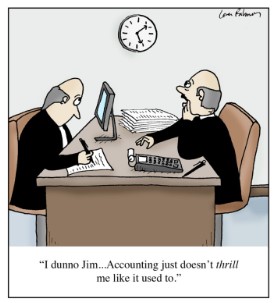
Accounting gets a bad rap in business. It’s not as sexy as marketing nor as riveting as the strategies devised by fearless leaders. Accountants are stereotyped as the nerdy back-office numbers people. They are annoying to those that create and are driven by the narrative that propels the business forward – the story that gets employees to buy-in and customers to buy. But, the bottom line is that there is a bottom line. We must do a fact check and validate that our story actually sells. We must count the beans and hold ourselves to account. Stories can be evasive, numbers don’t lie.
How much less would you get done without a deadline or without someone, asking, checking, and measuring? Even the self-employed have weekly and annual targets and track progress gainst them. An accountability function ensures that objectives are translated into actions and progress.
And so it is in your life. We must hold ourselves to account if we are to grow. Benjamin Franklin is a shining example of character and success precisley because he had an accountability practice. he had a list of 13 virtues he espoused and asked himself each evening if he was true to his values. In this way he kept raising the bar ever so slightly each day. We all know what it is like to have goals and to watch them fall by the wayside. Standards, values, and habits, must underpin those ambitions if they are to materialize. They aren’t as thrilling, but they count just as much, if not more. We don’t live up to the goals we set, instead, we fall to the level of the standards we live by.
K. Wilkins is the author of:
Stoic Virtues Journal: Your Guide to Becoming the Person You Aspire to Be
Rules for Living Journal: Life Advice Based On the Words and Wisdom of Jordan B. Peterson

